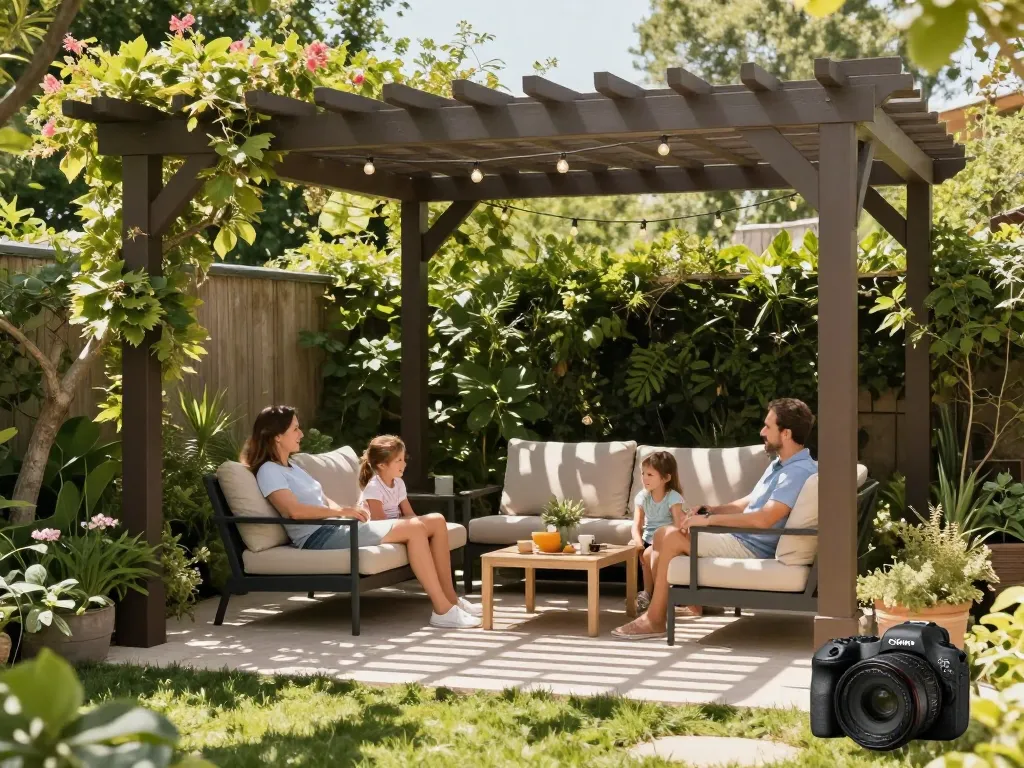
Introduction to Pergola Configurator Software
In the realm of outdoor design, pergolas hold a special place, offering both functionality and aesthetic appeal. As landscaping and architectural trends evolve, so does the technology that supports them. Enter pergola configurator software—a powerful tool that allows designers and customers alike to create custom pergola designs with precision and ease. This software not only enhances the design process but also bridges the gap between imagination and reality, empowering users to visualize their outdoor spaces like never before. When exploring options, pergola configurator software provides comprehensive insights that cater to both novice and expert designers alike.
What is pergola configurator software?
Pergola configurator software is a specialized digital tool that allows users to create, customize, and visualize pergola designs in various configurations. With functionalities often extending from basic 2D layouts to immersive 3D simulations, these applications provide users the capability to tailor every aspect of their pergola project. Users can select dimensions, materials, styles, and finishes, adjusting these elements in real-time to see how their choices impact the overall design. This type of software is utilized by landscape architects, contractors, and DIY enthusiasts who seek to achieve a personalized outdoor living experience.
Importance in modern landscaping practices
In contemporary landscaping, achieving personalized and functional outdoor spaces has become a priority for homeowners and designers. Pergola configurator software plays a vital role in this shift by facilitating collaborative design processes. It not only improves client engagement by allowing them to visualize their ideas but also enhances efficiency in project planning and management. As more clients seek bespoke solutions tailored to their lifestyle, the demand for advanced configurator tools has surged, making them a critical component in the landscape design industry.
Overview of key features
- 3D Visualization: Users can view their designs from multiple angles and perspectives, helping them better imagine how the final structure will integrate with their existing landscape.
- Real-Time Modification: Changes can be made on-the-fly, allowing users to experiment with various configurations without starting from scratch.
- Material and Color Selection: Users can choose from a wide range of materials and colors, instantly seeing how these choices affect the overall look of the pergola.
- Pricing Estimates: Many configurators provide instant pricing updates based on the selections made, helping users to stay within budget.
- Integration Capabilities: Advanced systems can integrate with other design and business planning tools, streamlining workflows and data sharing.
Benefits of Using Pergola Configurator Software
Enhanced customization for unique designs
The primary benefit of using pergola configurator software is the level of customization it offers. Users can create unique designs that reflect personal style and fit the specific needs of their outdoor space. This customization goes beyond mere aesthetics; it encompasses the functional aspects of the pergola, ensuring that it serves its intended purpose—be it shade, privacy, or decorative appeal.
Real-time simulation of design choices
Another significant advantage is the ability to see real-time simulations of design choices. This feature allows users to visualize how their selections (like material, size, and style) will look in their actual environment. By providing immediate feedback, users can make informed decisions that enhance their overall satisfaction with the final product.
Cost efficiency and project management
Pergola configurator software streamlines project management by providing clear pricing structures and helping to avoid costly mistakes. Users can easily adjust their designs to fit their budget, ensuring that they receive the maximum value for their investment.
Choosing the Right Pergola Configurator Software
Top options available in 2026
As of 2026, several notable pergola configurator software options stand out in the industry. These include:
- Simpson Strong-Tie Pergola Planner – Known for its user-friendly interface and robust design features.
- MyConfigurator 3D Pergola Tool – Offers advanced 3D capabilities and AR integration.
- SaleSqueze Configurator – A versatile tool praised for its detailed customization options.
- Brustor 3D Simulator – Ideal for those interested in seeing shadows and light effects on their design.
Key features to look for
When selecting the right pergola configurator software, consider the following key features:
- User-friendly Interface: A simple and intuitive design can greatly enhance the user experience.
- Customization Options: Look for software that offers a wide range of design options to suit various tastes and requirements.
- Integration Capabilities: Ensure the software can integrate with other tools and platforms you use for project management.
- Support and Resources: Check if there are tutorials, customer support, and community forums available.
Comparison of user experiences and reviews
User reviews provide valuable insights into the performance and reliability of different pergola configurator software. Many users prioritize features like ease of use, customer support, and versatility in design options. Reviews from professional landscape designers often highlight the importance of robust simulation capabilities, ensuring that their clients can visualize the finished project effectively. Comparative analysis of these user experiences can guide new users in selecting the most suitable software.
Implementation Strategies for Pergola Design
Step-by-step guide to using configurator software
Using pergola configurator software can be straightforward if you follow a step-by-step approach:
- Define Your Space: Start by measuring the area where the pergola will be installed.
- Choose Your Design: Select a base design or template that fits your style.
- Customize Your Pergola: Adjust dimensions, materials, and colors according to your preference.
- Visualize and Simulate: Use the 3D simulation features to view your design from different angles and in various lighting conditions.
- Review Costs: Check the pricing estimates and make any necessary adjustments.
- Finalize Your Design: Once satisfied, export your design or share it with clients or contractors.
Best practices for effective designs
To ensure that your pergola design is effective and appealing, consider these best practices:
- Focus on Functionality: Ensure that your pergola meets the intended purpose, whether it’s for shade, style, or both.
- Complement Existing Structures: Design your pergola to harmonize with your home and landscape.
- Use Quality Materials: Invest in durable materials that withstand the elements while looking great.
Common pitfalls and how to avoid them
Even with sophisticated software, common pitfalls can derail the design process. These include:
- Underestimating Scale: Always ensure the design fits well within the designated space to avoid cramped or awkward configurations.
- Neglecting Local Regulations: Always check local building codes and regulations before finalizing your design.
- Overlooking Maintenance Needs: Choose designs and materials that facilitate easy upkeep.
Future Trends in Pergola Design Software
Emerging technologies and innovations
The landscape design industry is continually evolving, with numerous emerging technologies poised to reshape how pergola configurator software operates. Innovations such as AI-driven design assistance and enhanced virtual reality experiences are making it easier for users to create realistic simulations of their projects.
Integrating augmented reality in design
Augmented reality (AR) is becoming a game-changer in the design space. By integrating AR with pergola configurator software, users can visualize how their proposed pergola will look in their actual outdoor space, allowing for more informed decisions and minimizing design inaccuracies.
Predictions for the landscaping industry through 2026
Looking ahead to 2026, the landscaping industry is expected to see heightened demand for customizable outdoor solutions. As consumers become more environmentally conscious, software that offers sustainable material choices and energy-efficient designs will gain favor. Furthermore, the fusion of advanced technology with traditional landscaping practices will likely lead to more innovative and functional outdoor spaces.
What types of pergola designs can I create with configurator software?
The configurator software allows users to create various styles of pergolas, ranging from modern minimalist designs to classic arched structures. Users can choose the dimensions, materials, and additional elements like lighting and seating, making it a versatile tool for any outdoor space.
Is there a free version of pergola configurator software?
While many configurator tools offer premium versions with extensive features, some provide free versions or trials. These may have limited capabilities but can still serve as a good starting point for users wanting to explore basic design options.
How can I maximize efficiency with pergola design tools?
To maximize efficiency, familiarize yourself with all the features of the configurator software. Use templates to expedite the design process and take advantage of real-time pricing to make immediate adjustments based on your budget.
What are the most common mistakes in using configurator software?
Common mistakes include neglecting to check dimensions, rushing through the design process, and failing to consider the existing landscape. Take the time to review your design carefully, and don’t hesitate to seek feedback from peers or clients.
How does pergola configurator software integrate with other design tools?
Many modern pergola configurator software solutions offer integration with design tools like CAD software and project management platforms, allowing for seamless workflows that enhance productivity and communication among team members.