Understanding the Basics of Window Tint
What is Window Tinting?
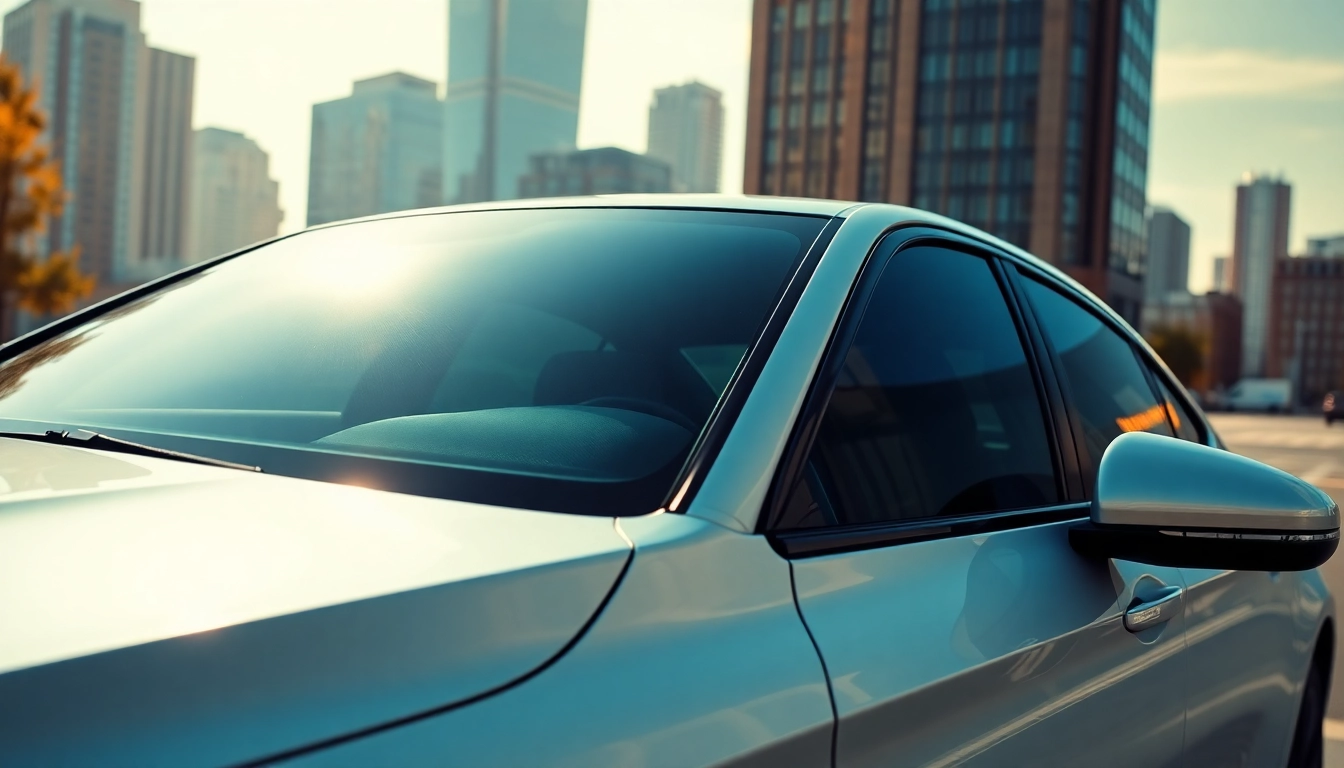
Window tinting refers to the process of applying a thin film to glass surfaces, such as car windows or home windows, to alter their properties. This film is designed to reduce glare, block UV radiation, and enhance privacy. The application of window tint is both aesthetic and functional, providing drivers and homeowners benefits that extend beyond mere appearance.
Types of Window Tint
There are various types of window tint films available, each serving different purposes and varying in quality. The most common types include:
- Dyed Window Tint: This is the most economical option, utilizing dyes to achieve a darker appearance. It doesn’t block heat but provides privacy by preventing visibility from the outside.
- Metalized Window Tint: This type features metal particles that reflect heat and block UV rays, enhancing durability. However, it may interfere with cell phone and GPS signals.
- Ceramic Window Tint: This premium option uses ceramic particles, which offer excellent UV protection and heat reduction without the signal interference of metalized tints.
- Carbon Window Tint: A mid-range option that blocks UV rays and reduces heat while maintaining a darker shade. It doesn’t fade over time like dyed films.
Legal Regulations for Window Tint Near Me
Before considering the installation of window tint, it is crucial to be aware of the legal regulations governing window tint in your state or locality. These laws dictate permissible darkness levels (VLT percentage) and specific requirements for different windows. A major benefit of seeking professional service for window tint near me is that experts are well-versed in the local regulations, ensuring compliance and avoiding potential fines.
Benefits of Window Tint Near Me
Heat and UV Protection
One of the primary benefits of window tinting is its ability to block a significant percentage of harmful UV rays. Up to 99% of UV rays can be prevented with high-quality window tints, protecting passengers and the interior of vehicles from fading, and potentially reducing the risk of skin cancer. Additionally, heating and cooling costs can be significantly lowered due to the heat reduction properties of the tint, making it more energy efficient.
Enhanced Privacy and Security
Window tinting provides an effective solution for enhancing privacy and security. It prevents outsiders from seeing inside your car or home, protecting your personal belongings and enhancing safety. Furthermore, some types of window films are designed to hold shattered glass together, providing additional security against theft or accidents.
Improved Aesthetic Appeal
Windows with tinting film can greatly enhance the overall aesthetic appearance of a vehicle or property. Whether you prefer a sleek, modern look or a classic style, there’s an appropriate tint option to match your preferences. Additionally, window tints can help maintain a uniform look across all windows, which can be appealing in both residential and commercial settings.
Choosing the Right Window Tint Near Me
Factors to Consider
When choosing window tint, consider several factors:
- Legal Compliance: Ensure the tint adheres to local laws regarding window darkness and reflective properties.
- Quality of Film: Assess the type of film based on your preferences for heat rejection, UV protection, and durability.
- Installation Method: Opt for professional installation for better results, especially for complex curves or large glass areas.
- Cost: While premium films may initially cost more, they often provide better longevity and performance.
How to Evaluate Tint Quality
To evaluate the quality of window tint, consider the following attributes:
- Durability: Look for films with warranties that extend at least five years, indicating long-term performance.
- Heat Rejection: The ability to block heat is crucial for comfort; opt for films rated for high heat rejection.
- Visual Clarity: Quality film should maintain clarity and not distort visibility.
Finding Reliable Installers
Finding a trusted installer for window tint near me involves thorough research. Read reviews, request recommendations, and assess portfolios of previous work. A reputable installer should also offer warranties on both the product and installation for peace of mind.
The Window Tinting Process
Preparation Steps
The preparation for window tinting includes cleaning the windows to remove any dirt, grease, or residue. Proper installation requires a pristine surface to ensure the film adheres effectively.
The Installation Process
The installation of window film typically involves the following steps:
- Measuring and cutting the film to fit the specific window dimensions
- Soaking the adhesive side of the tint to allow for repositioning
- Placing the film on the window and using a squeegee to eliminate air bubbles and excess moisture
- Trimming the edges for a clean finish
Post-Installation Care
After installation, it’s essential to maintain the tint properly. Avoid rolling down the windows for at least 48 hours to allow the film to cure completely. Clean the tinted windows with a soft cloth and non-abrasive cleaners to preserve the film’s integrity.
FAQs About Window Tint Near Me
What is the lifespan of window tint?
Window tint typically lasts between 5 to 10 years, depending on the quality and maintenance.
Is window tinting legal in all states?
No, regulations for window tint vary by state. Check local laws regarding allowable tint levels.
Can I apply window tint myself?
While DIY kits are available, professional installation is recommended for best results and compliance.
Does window tint reduce glare?
Yes, window tint significantly reduces glare, improving driving comfort and visibility.
Is window tinting worth the investment?
Absolutely, window tint benefits include UV protection, heat reduction, and privacy enhancement, offering long-term value.